



One of the most spectacular meteor showers of the year reaches its peak this week – giving skywatchers the chance to see up to 100 'shooting stars' an hour under perfect conditions.
The Geminids are visible between now and 20 December, peaking overnight from Saturday into Sunday (13-14 December).
Most meteor showers are caused by comets but this one is unusual because it originates from the debris of an object known as 3200 Phaethon, which is more like an asteroid.
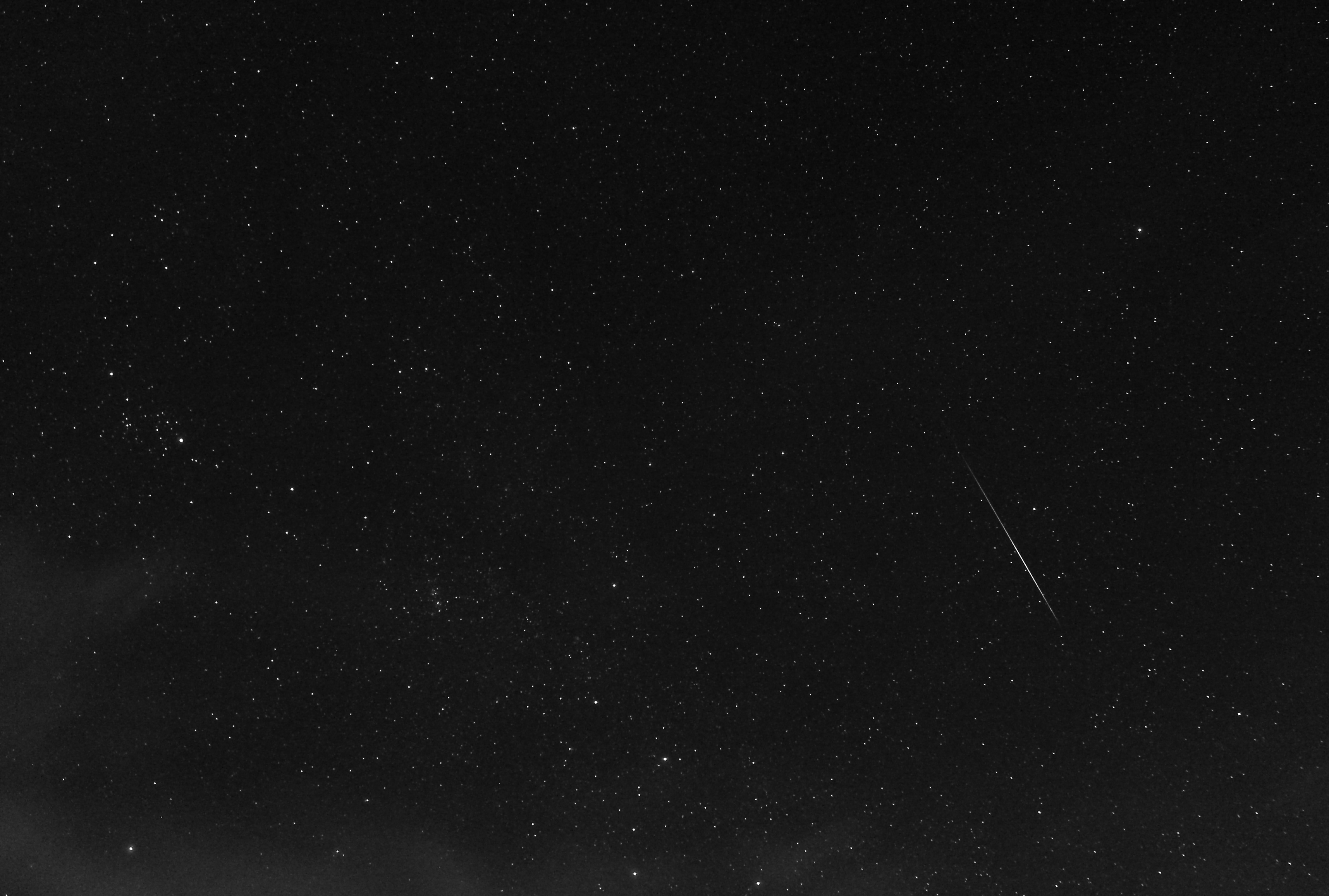
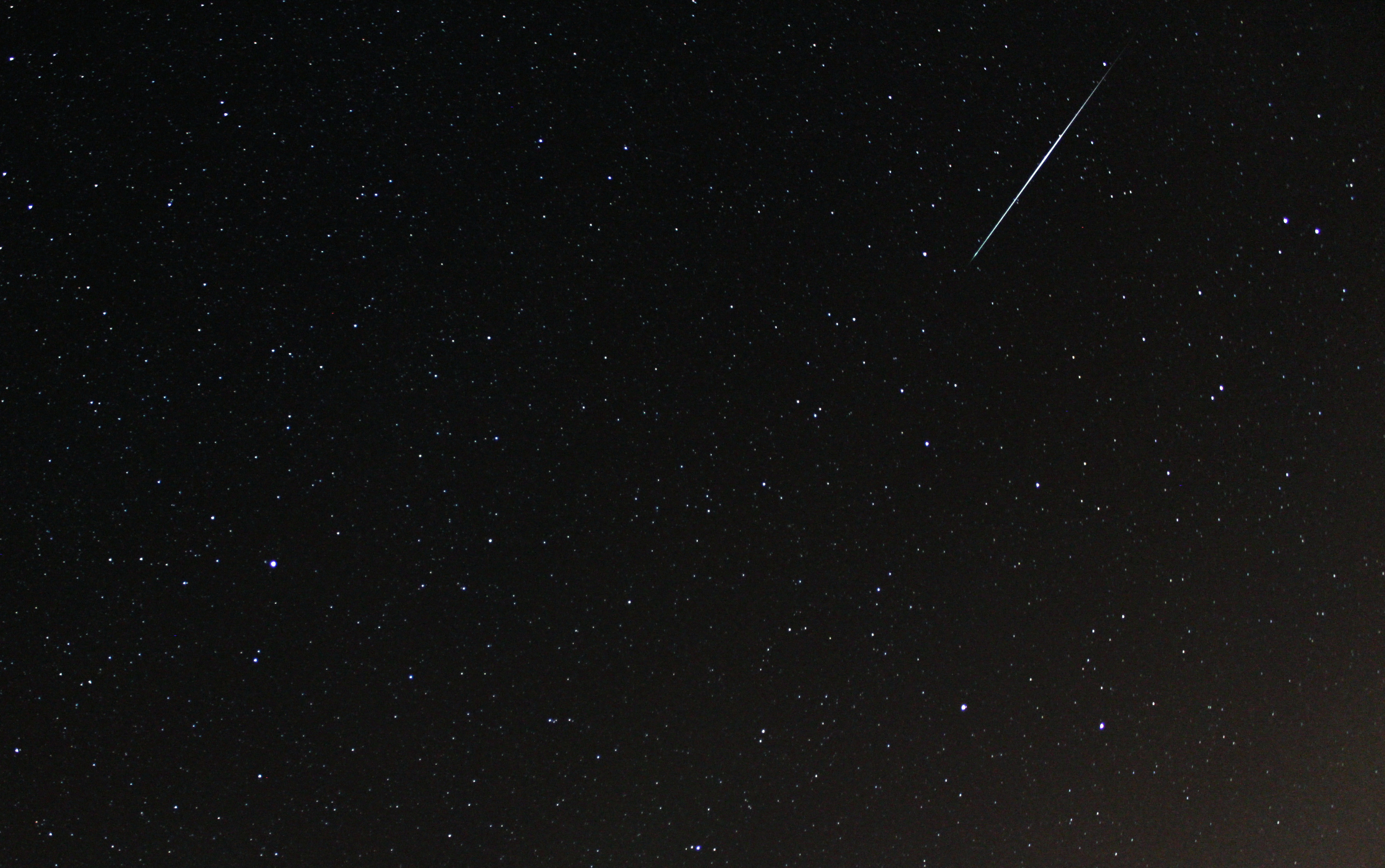
In a video explainer featuring tips on how best to view the Geminids, Dr Robert Massey, Deputy Executive Director at the Royal Astronomical Society, said: "The great thing about a meteor shower, including the Geminids, is that the naked eye is the best way to see them.
"If you get a telescope or a pair of binoculars you're automatically restricting your view of the sky, and with a meteor shower what you want is the widest possible view – you want to be lying down, looking up at the broad panoply of stars, and watching for meteors."
You're looking for "a short streak of light that generally lasts maybe half a second or so", Dr Massey said, adding: "[It's] usually so quick it's impossible to point out to someone you're with, so you need to keep your eyes up.
"You can expect to see perhaps up to 100 meteors an hour, so that might be one or two a minute, which would be a brilliant view – it is one of the strongest showers of the year.
"The best view is if you're away from sources of light pollution, so try and get away from at least direct lights in towns and cities, ideally out in the countryside. Obviously you also need a clear sky – if it’s cloudy you're not going to see anything."
If cloud cover makes spotting the Geminids at their peak tricky, the shower will still be active until December 20 – albeit at a reduced rate.
The Geminids were first observed in 1862 and are thought to be intensifying every year. They are considered to be one of the best and most reliable annual meteor showers.
The Geminids also have a greenish hue when they burn up in the Earth’s atmosphere, rather than being colourless or white like other meteors. This is because of their chemical composition – oxygen, magnesium and nickel usually produce a green colour.
Meteors are small pieces of interplanetary debris which burn up in the Earth’s atmosphere after coming in at high speeds – typically at 130,000 kilometres an hour in the case of the Geminids.
Friction with the upper atmosphere quickly heats up the incoming debris, the air around them glows brightly, and the particles are rapidly destroyed. The resulting streak of light is what we see from the ground as a meteor, or 'shooting star'.
Outside of meteor showers, there are around six random meteors (sporadics) visible each hour from a given location on any night.
But throughout the year the Earth's orbit intersects material left behind by comets, or in the case of the Geminids, the object 3200 Phaethon. When we encounter these thicker streams of debris there is a surge in meteor numbers, which is what creates the shower.
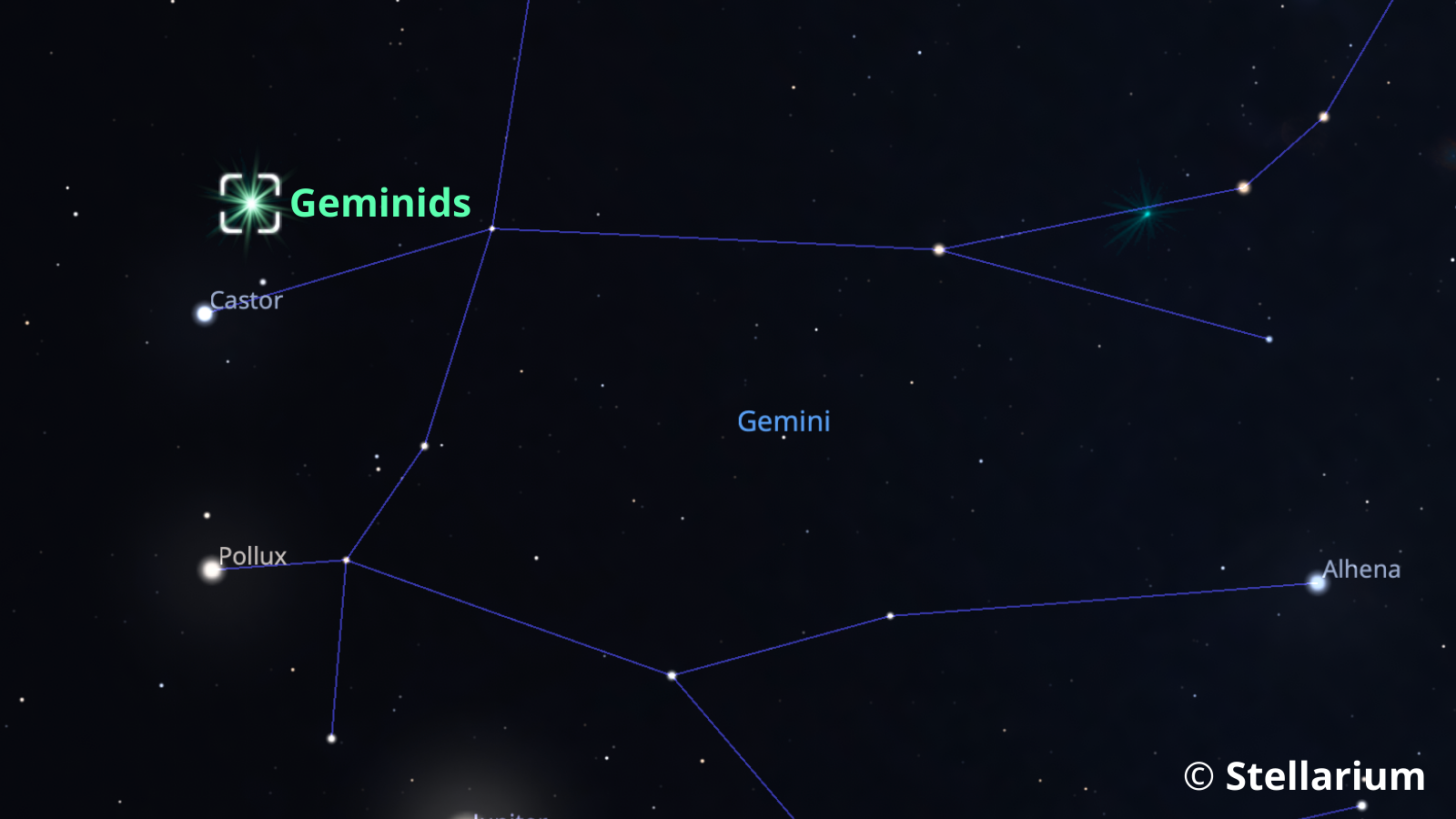
Meteors in the upcoming shower can appear anywhere in the sky, but their trails appear to originate from a single point (known as the radiant) in the constellation of Gemini, hence the name Geminids. These meteors appear to be fairly slow moving, and can be intensely coloured.
If you manage to get any pictures or videos of the Geminid meteor shower then we'd love to see them. You can find us on Instagram, Bluesky, LinkedIn, Facebook and YouTube.